Cost of Living in Dubai 2026 — The Honest Expat's Budget Guide
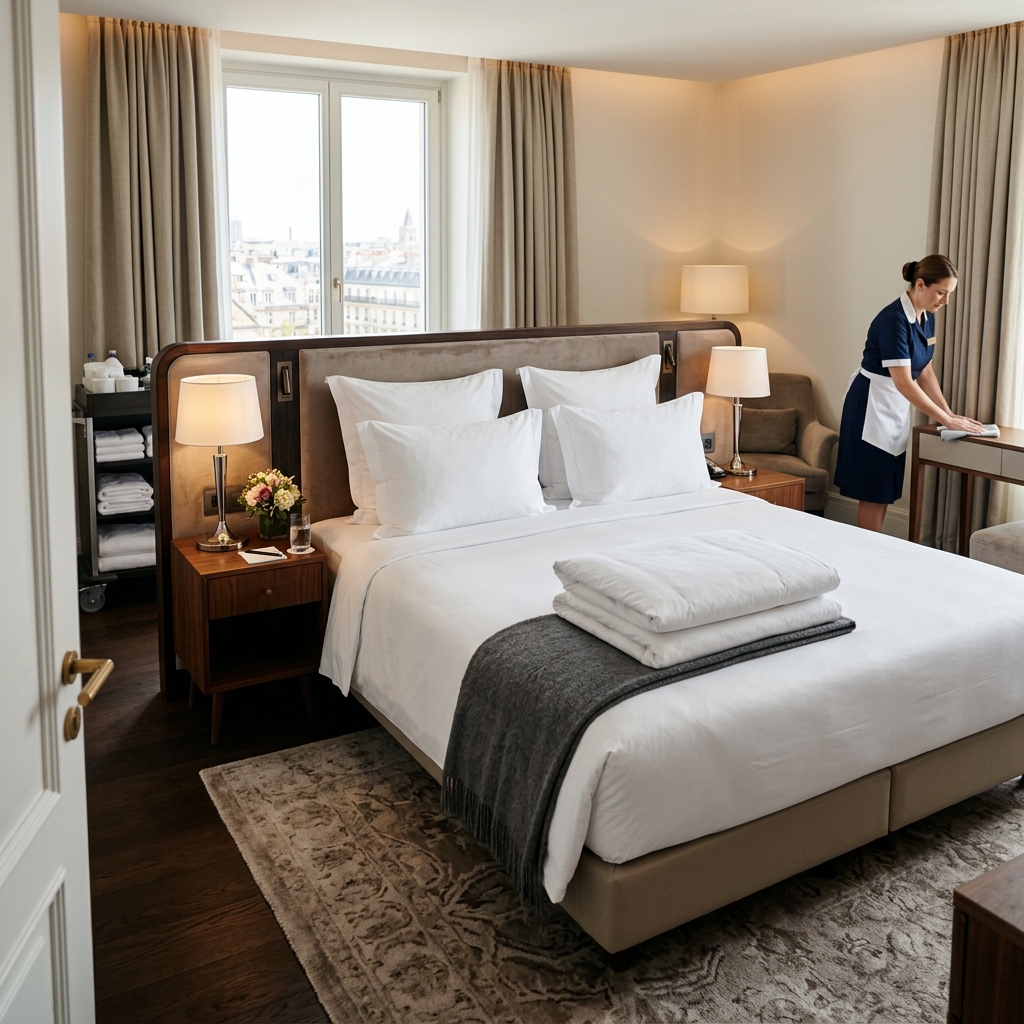
Moving to Dubai in 2026? From rent and school fees to groceries and Salik, discover the real cost of living in Dubai for individuals, couples, and families.
Jump to sections
Dubai is often portrayed as a playground for the wealthy, with its gold-plated hotels and "supercars as police cars" reputation. While that world exists, hundreds of thousands of expats live here on normal salaries, raise families, and even save money.
However, the Dubai of 2026 is more expensive than the Dubai of 2020. Rent has increased, school fees have adjusted, and global inflation has affected grocery prices.
This guide provides an honest, line-item breakdown of what you can expect to spend every month in Dubai. Whether you are a single professional on an entry-level salary or a family of four looking for a villa, this is your budget blueprint.
Table of Contents
- Housing and Utilities (The Biggest Expenses)
- Groceries and Food Costs
- Transportation — Salik, Fuel, and Metro
- Schooling and Education Fees
- Healthcare and Insurance
- Entertainment and Lifestyle
- The "Hidden" Costs of Dubai
- Total Monthly Budgets: 3 Scenarios
- How to Save Money in Dubai
- FAQ — People Also Ask
Housing and Utilities (The Biggest Expenses)
Housing typically takes up 35% to 50% of an expat’s salary. In 2026, the market is competitive, particularly in family-friendly areas like Dubai Hills, Town Square, and Al Furjan.
Rent Ranges (Annual)
Note: Rent is usually paid in 1, 2, or 4 checks per year.

- Studio Apartment: AED 45,000 – 75,000 (depending on location like Deira vs. Marina).
- 1-Bedroom Apartment: AED 65,000 – 110,000.
- 2-Bedroom Apartment: AED 90,000 – 160,000.
- 3-Bedroom Villa: AED 180,000 – 350,000+.
DEWA and Utilities (Monthly)
Your monthly bill from the Dubai Electricity and Water Authority (DEWA) includes water, electricity, and the "Housing Fee" (which is 5% of your annual rent divided by 12).
- Single person in a studio: AED 450 – 700.
- Family in a 3-bed villa: AED 1,500 – 2,800+.
Groceries and Food Costs
Supermarkets in Dubai range from budget-friendly to high-end organic.
- Budget (Viva, LuLu, Carrefour): AED 800 – 1,200 per month for one person.
- Mid-Range (Spinneys, Waitrose): AED 1,500 – 2,200 per month for one person.
- Dining Out:Cafeteria shawarma: AED 7.Mid-range casual dinner: AED 120 – 180 per person.Five-star fine dining: AED 500+ per person.
- Cafeteria shawarma: AED 7.
- Mid-range casual dinner: AED 120 – 180 per person.
- Five-star fine dining: AED 500+ per person.
Transportation — Salik, Fuel, and Metro
Dubai is a car-centric city, but the metro is highly efficient for those living near the red line.
- The Dubai Metro: A monthly Gold Class pass costs AED 700, while a standard "All Zones" pass is AED 350.
- Fuel: Relative to Europe, fuel is cheap, but prices fluctuate monthly based on global rates. Budget AED 400 – 800 per month for a standard sedan.
- Salik (Tolls): Every time you pass a gate (like on Sheikh Zayed Road), it costs AED 4. Commuters can easily spend AED 200 – 400 a month on Salik alone.
- Car Rental/EMI: AED 1,800 – 3,500 per month for a mid-size SUV.
Schooling and Education Fees
For families, this is the second most significant expense after rent.
- Nursery/Pre-school: AED 30,000 – 50,000 per year.
- Primary School: AED 45,000 – 75,000 per year.
- Secondary School: AED 65,000 – 110,000+ per year.
Most schools offer discounts for siblings. Some corporations also provide a 'schooling allowance' as part of the salary package.
Healthcare and Insurance
Medical insurance is mandatory for all residents.
- Basic Plan (Essential Benefits Plan): AED 600 – 900 per year (for low-salary workers or dependents).
- Comprehensive Individual Plan: AED 5,000 – 12,000+ per year.
- Corporate Insurance: Most employers provide this for the employee; only some provide it for the spouse and children.
Entertainment and Lifestyle
- Gym Membership: AED 250 – 600 per month.
- Cinema Ticket: AED 45 – 80.
- Alcohol: Higher than in Western countries due to taxes. A pint of beer in a bar is typically AED 45 – 60.
The "Hidden" Costs of Dubai
Expats often forget these when planning:
- Visa Costs: Legally, the employer pays. If you are a freelancer or sponsor your own family, budget AED 4,000 – 7,000 every two years.
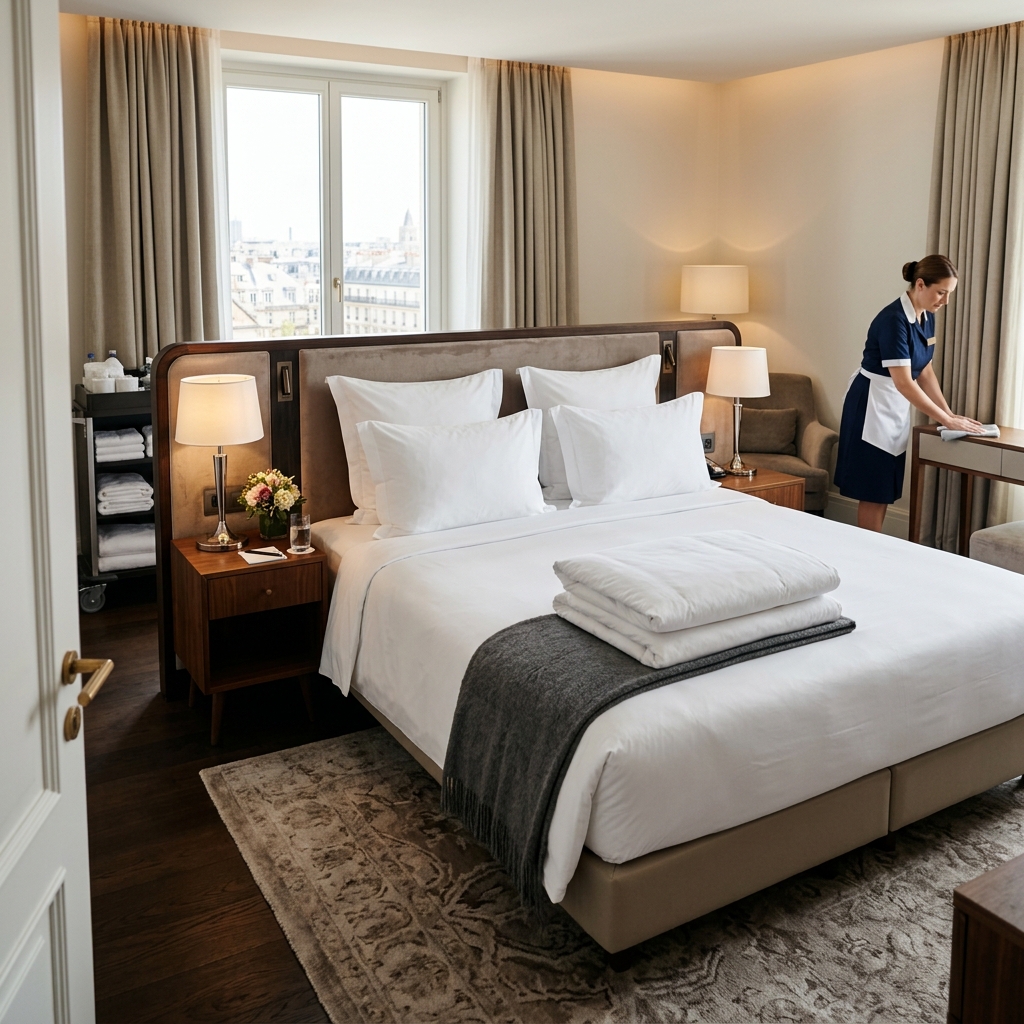
- Maid/Nanny Services: AED 30 – 50 per hour for part-time. Full-time live-in costs AED 2,500 – 4,500 per month (including visa/insurance).
- Parking Fines: They are high. A simple wrong-parking fine starts at AED 200 – 500.
Total Monthly Budgets: 3 Scenarios
Scenario A: The Single "Saver"
- Rent (Shared): AED 2,500
- Groceries: AED 1,000
- Transport (Metro): AED 350
- Utilities (Shared): AED 300
- Dining/Misc: AED 800
- Total:AED 4,950
Scenario B: The Mid-Range Professional (1 BR)
- Rent: AED 7,000
- Groceries: AED 1,800
- Car (Loan + Fuel + Salik): AED 3,500
- DEWA/Internet: AED 1,200
- Entertainment: AED 2,500
- Total:AED 16,000
Scenario C: The Family of Four (3 BR)
- Rent: AED 18,000
- Schooling (2 kids): AED 10,000
- Groceries: AED 5,000
- Car (2 cars): AED 6,000
- Utilities/Home Help: AED 4,000
- Total:AED 43,000
How to Save Money in Dubai
- Use Entertainment Apps: Download 'The Entertainer' or 'Smiles' for 2-for-1 deals on almost everything.
- Shop at Cooperatives: Union Coop and Viva are significantly cheaper than high-end chains.
- Drive a Reliable, Used Car: Depreciating luxury cars are the #1 budget killer in Dubai. Buy a used Toyota or Honda.
- Live in the Northern Emirates: Commuting from Sharjah or Ajman to Dubai can save you 50% on rent, though you pay with time in traffic.
FAQ — People Also Ask
Is Dubai more expensive than London or New York?
Rent in the most popular Dubai areas is comparable to London or New York. However, groceries and transportation (specifically fuel and taxis) are generally cheaper in Dubai. The lack of personal income tax makes Dubai's "disposable income" significantly higher for the same gross salary.
Can I live in Dubai for AED 5,000 a month?
Yes, but it requires "living local." This means sharing an apartment with roommates, cooking at home, using public transport, and avoiding the luxury lifestyle. It is a common reality for thousands of workers in the service and retail sectors.
Do I need to buy a car in Dubai?
If you live and work near the Metro stations, you can manage without one. However, during the summer months (May – Sept), walking even 500 meters to the station is difficult due to the heat. Most expats eventually find a car necessary for a decent quality of life.
How much should I save for "Initial Startup Costs" when moving?
Budget for: 1 month rent as security deposit, 5% agency fee, DEWA deposit (AED 2,000+), and your first few months of transport. For a standard 1-bedroom move, you need approximately AED 35,000 – 50,000 in liquid cash.
Are salaries in Dubai increasing with the cost of living?
Top-tier sectors like AI, Renewables, and Data Science are seeing salary growth. However, in mid-level administrative and general hospitality roles, salaries have remained relatively stagnant, making the rising rent a challenge for many.
Is water in Dubai drinkable from the tap?
Legally, yes. DEWA ensures the water is safe. However, the storage tanks in many buildings can affect quality. Most expats choose to buy 5-gallon bottled water for drinking (approx. AED 10 per bottle).

Moving soon? Make sure your CV is ready with our Free AI CV Maker or browse current job openings in Dubai.
Key takeaways
- Verify the employer and role details before you share sensitive documents or travel for an interview.
- Keep job references, contact details, and application history in one place so you can spot inconsistencies quickly.
- Never pay money to get shortlisted, interviewed, or hired for a Gulf role.

Written by
Editorial Team
theuaecareer.com Editorial Team
The theuaecareer.com editorial team is led by Resham KC and Nishan KC. All content is researched, written, and reviewed to reflect real conditions in the UAE, Saudi Arabia, and Qatar job markets.